Operator of Lot 95 co-financed initiatives that add value to the paiche and carachama that are sustainably harvested in the Puinahua district.
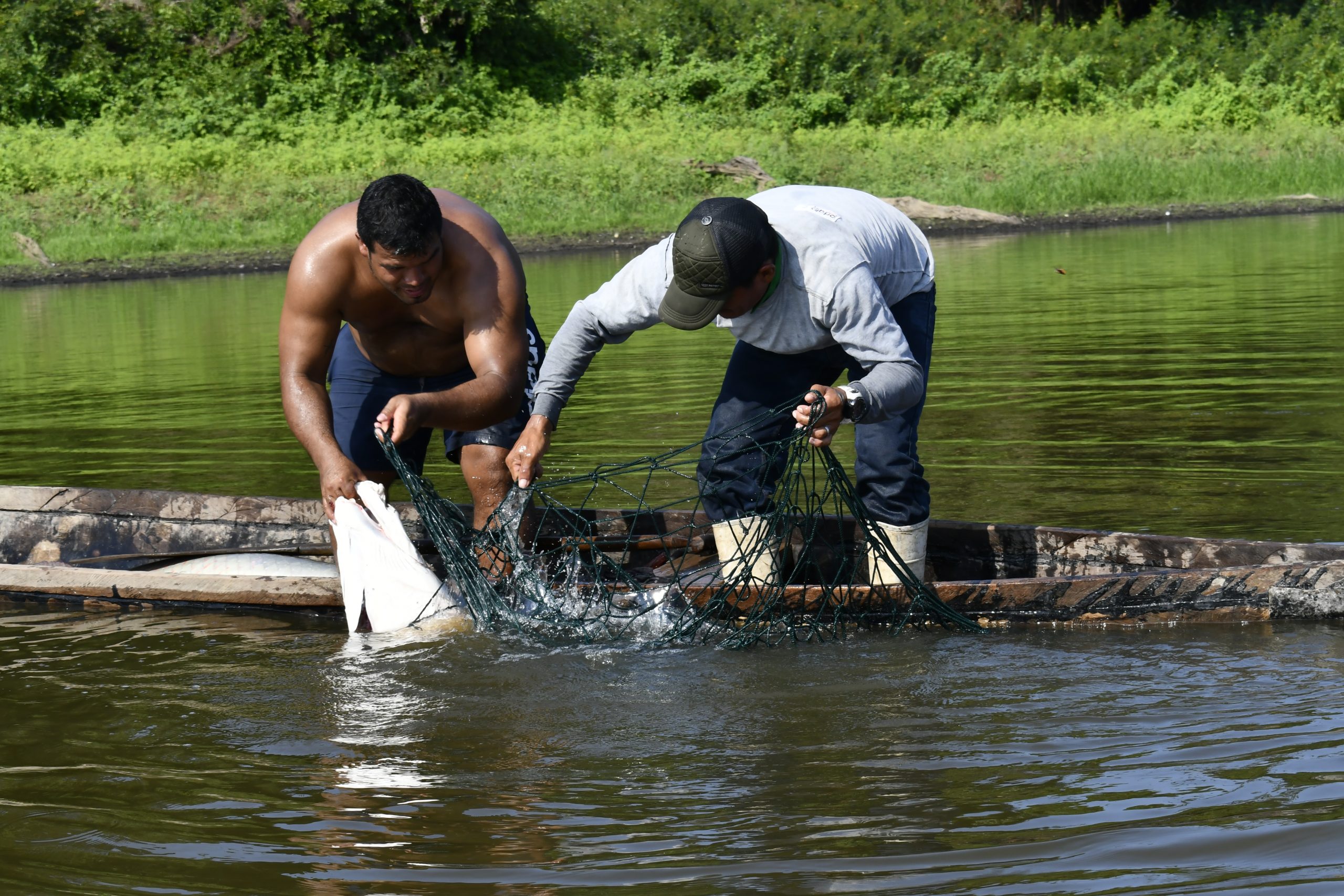
In the district of Puinahua (Loreto), where the Bretaña Norte del Lote 95 field is located, paiche and carachama fishing is one of the main economic activities and a nutritious source of food for the population.
To guarantee the sustainability and productivity of artisanal fishing of these species, PetroTal, operator of Lot 95, has implemented two innovative projects with co-financing from the National Fishing Innovation Program (PNIPA) that have been recognized by the Government, through the Ministry of Production (PRODUCE), for their positive and promising economic and social impact.
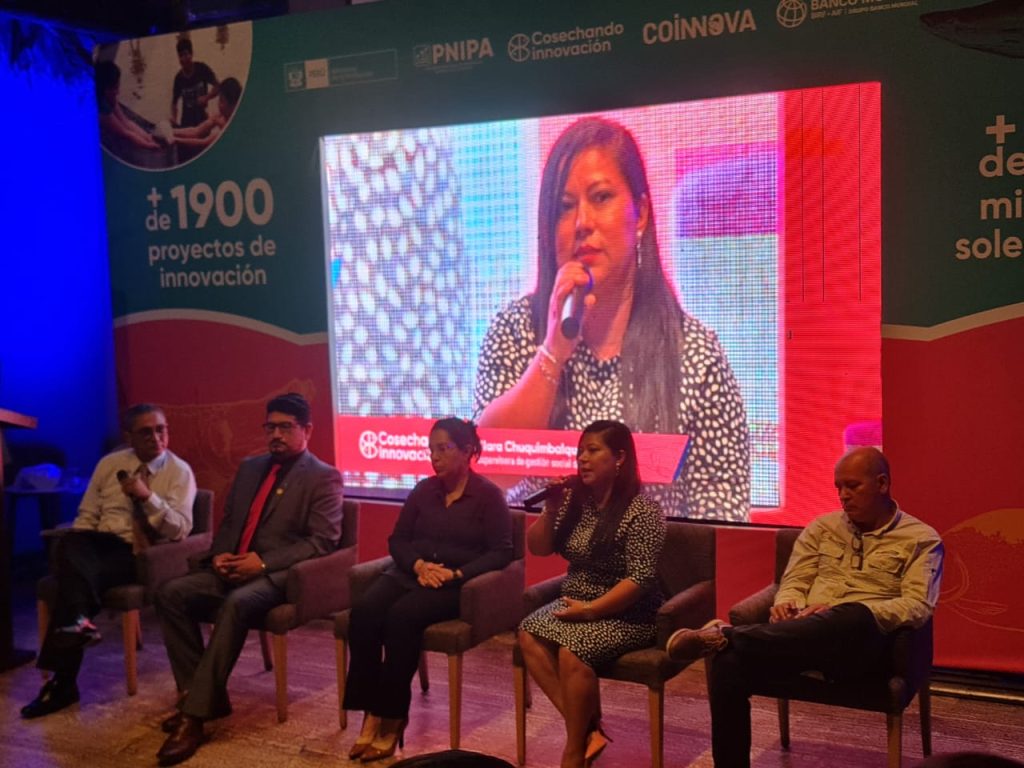
The recognition took place at the "Harvesting Innovation" meeting in Loreto organized by PNIPA and PRODUCE to highlight the initiatives successfully co-financed in this region.
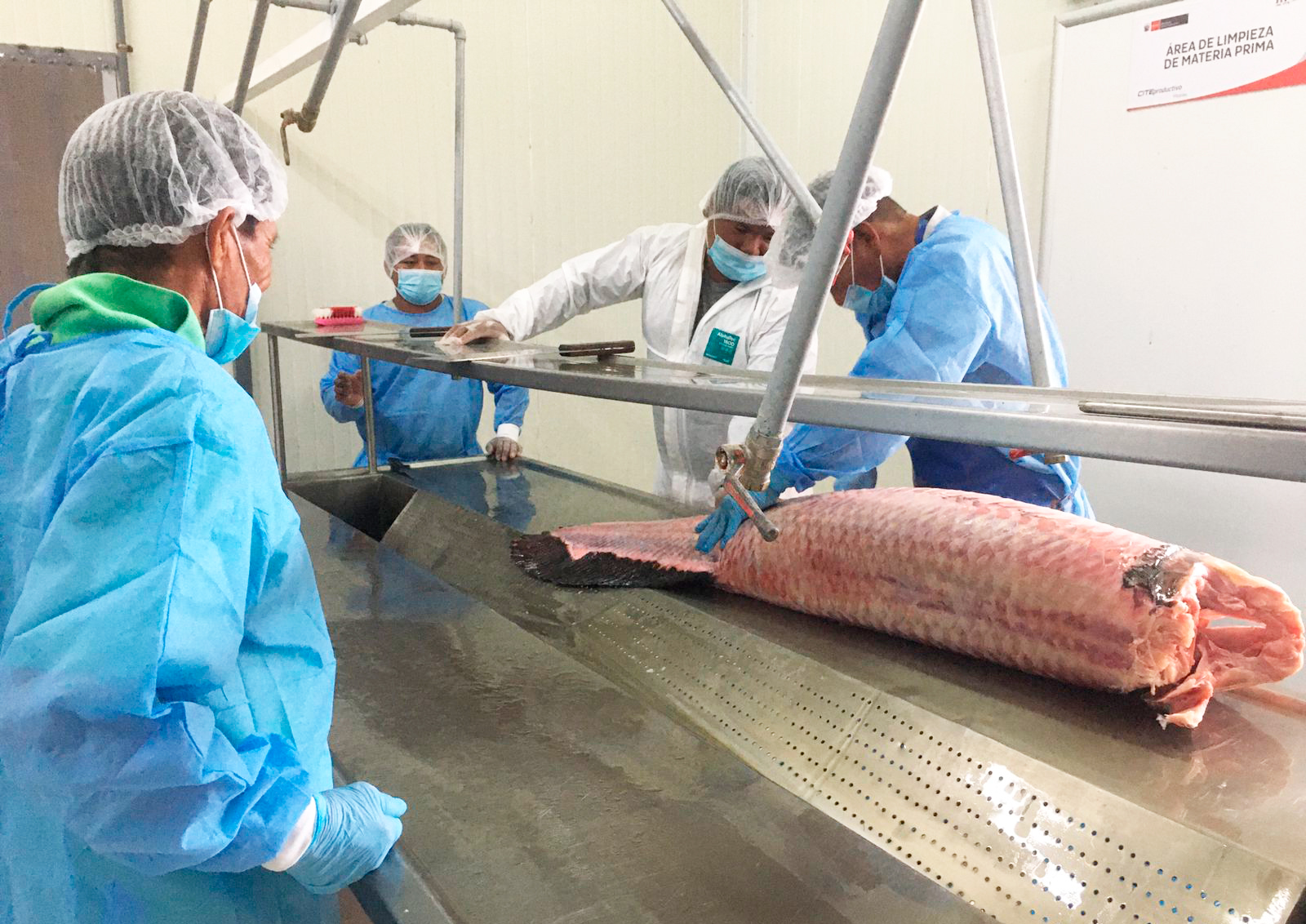
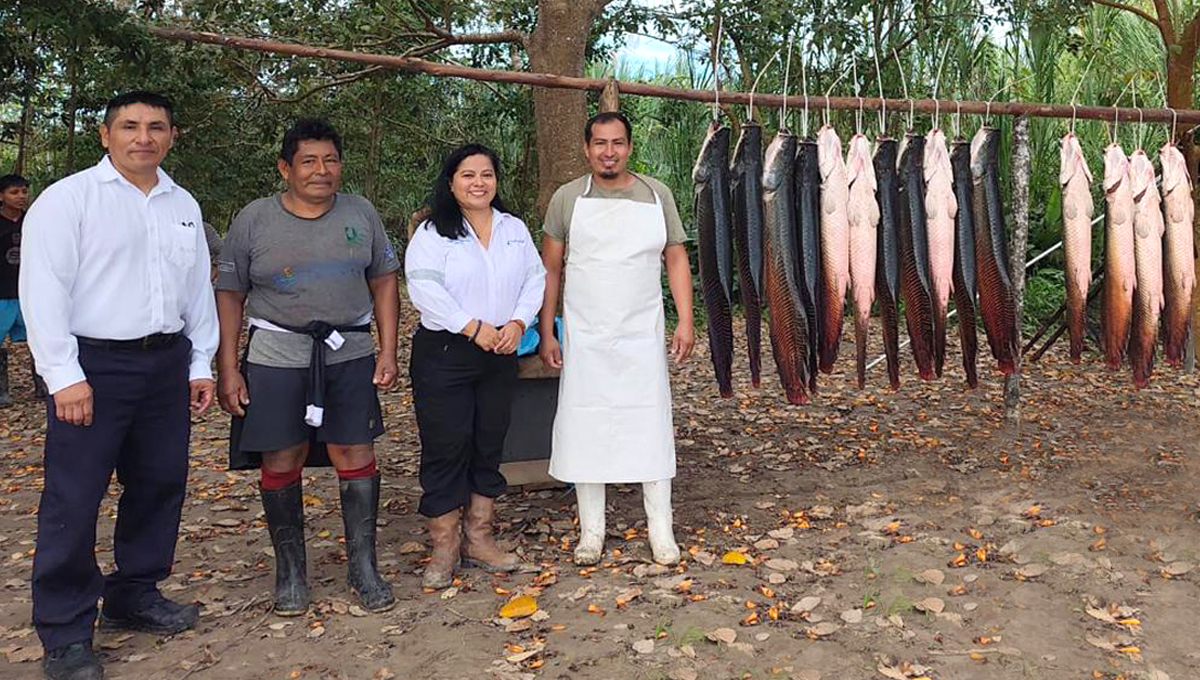
The financing provided by PetroTal, a Peruvian-led and operated company, to the two innovative projects is part of its purpose of creating value and opportunities for all. One of them involved the construction of a steel platform where the fishermen process (gutting, cleaning and cutting) the paiche, based on a protocol of good practices, to add value to the product that they extract in a sustainable and planned manner from the Pacaya Samiria national reserve.
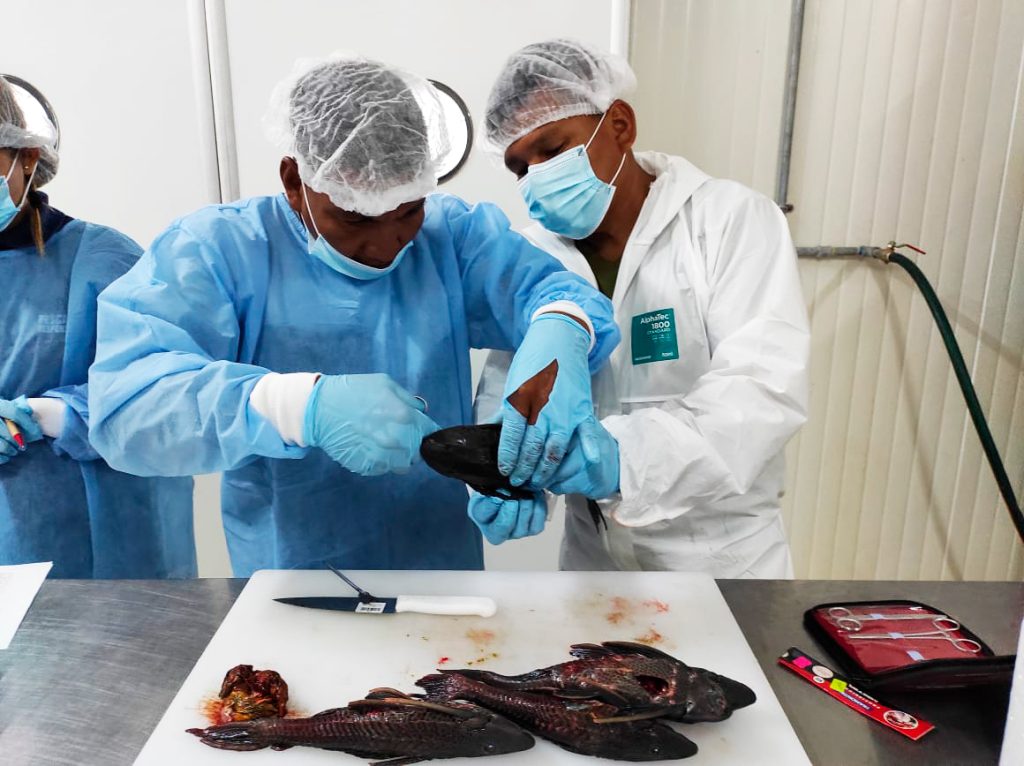
The second consists of the implementation of good fishing practices in the process of harvesting and post-harvesting of paiche and carachama by Puinahua fishermen. A novel aspect of this project that has generated expectations in PNIPA and the company is the possibility of producing caviar from carachama eggs.
Clara Chuquimbalqui Najar, PetroTal's Social Management Supervisor, highlighted the achievements of the two projects that have received financial support from the company and the State to generate opportunities for improvement in artisanal fishing in the Peruvian Amazon and improve the quality of life of fishermen and their families.
At the meeting organized by PNIPA, Chuquimbalqui emphasized that, with these projects, PetroTal promotes research, development and innovation (R&D&I) in an ancestral and crucial activity for the population of Puinahua, such as fishing.
He also highlighted the important support provided to these initiatives by the civil organization Despensa Amazónica, the CITE Productivo Maynas, among other public and private actors. For his part, Watson Sampaya, from the Social Organization of Fishermen and Artisanal Processors (OSPPA) Arahuana Fish, narrated the important and promising evolution of their work thanks to the projects promoted by PetroTal.
 EN
EN  ES_ES
ES_ES